
Cultural Events: Building Community Across Asia
Published July 29th, 2026
Cultural engagement events serve as a dynamic platform for building connections across Asia by celebrating shared traditions and fostering mutual understanding among diverse communities. These events encompass a wide range of activities, including cultural festivals that showcase regional heritage, Juneteenth celebrations highlighting themes of freedom and resilience, and youth talent shows that provide a stage for emerging voices to express identity and solidarity. By bringing people together through these shared experiences, cultural engagement creates opportunities for dialogue, learning, and collaboration across ethnic, linguistic, and national lines.
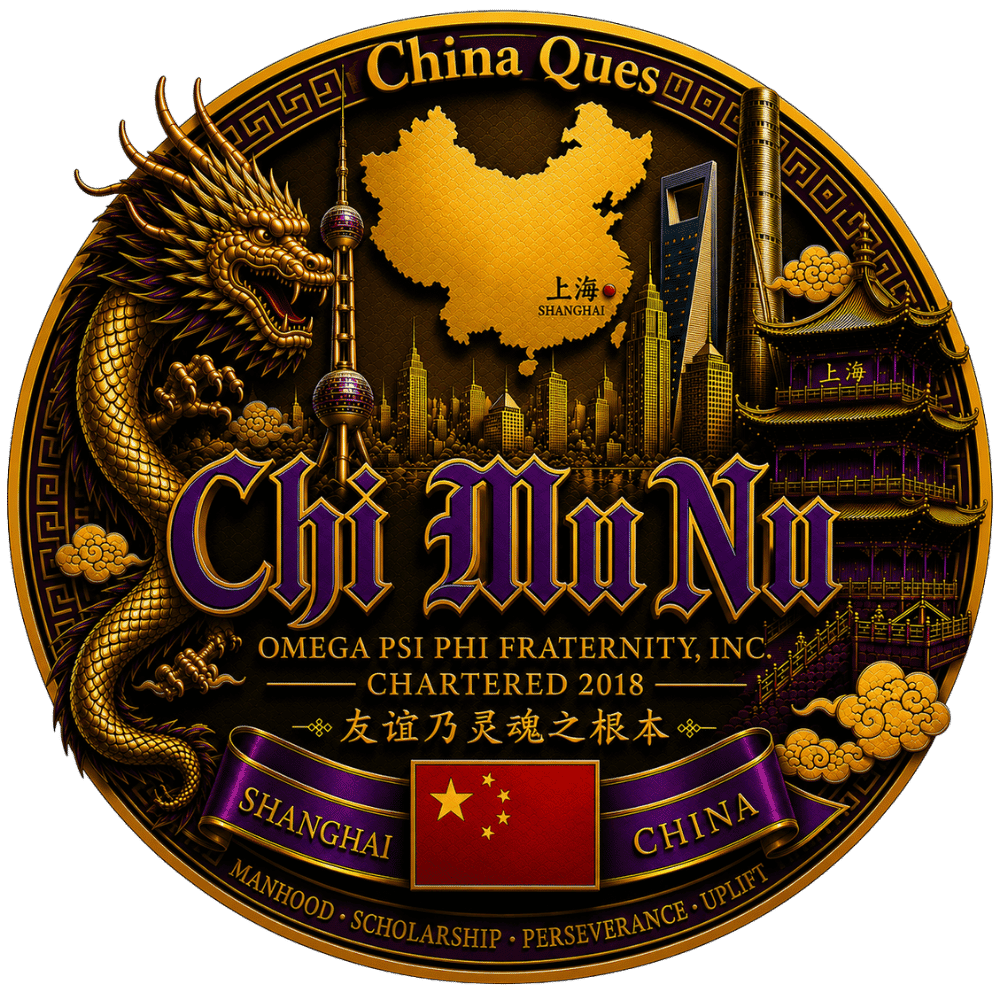
As the China chapter of Omega Psi Phi Fraternity, Inc., Chi Mu Nu integrates the fraternity's Cardinal Principles-Manhood, Scholarship, Perseverance, and Uplift-into every aspect of this work. These principles guide our efforts to nurture leadership, promote education, encourage resilience, and uplift communities through cultural exchange. The impact of these events extends beyond celebration; they build the social fabric necessary for lasting community bonds and collective progress. Through this lens, cultural engagement becomes a vital force for unity, empowerment, and friendship within the complex social landscape of Asia.
Festivals as Platforms For Celebrating Asian Heritage
Cultural festivals across Asia act as living archives of memory, art, and belief. Street processions, temple fairs, food markets, martial arts demonstrations, and Asian Pacific Islander arts programs each carry fragments of language, ritual, and history that textbooks rarely capture. When elders teach traditional dance steps, correct pronunciation in a folk song, or explain the meaning of an incense offering, they pass on coded knowledge that sustains identity across generations.
These festivals also operate as open classrooms. Workshops on calligraphy, batik, traditional instruments, or regional storytelling invite residents, expatriates, and visitors to learn how specific practices emerged and why they endure. Exhibits, panel talks, and performance notes frame the dances, songs, and visual arts within wider histories of migration, trade, and resistance. People begin to see links between local customs and shared regional patterns rather than viewing each practice in isolation.
For communities that span borders, public celebration builds confidence and pride. Young people who see their clothing, languages, and spiritual practices honored in a festival program receive a clear signal that their heritage belongs in public life. That visibility strengthens ties to elders and encourages youth to contribute new forms of expression-hip-hop fused with classical instruments, digital art grounded in traditional symbols-rather than setting tradition and modernity in opposition.
Cultural festivals promoting social cohesion also create space for cross-cultural dialogue. Food stalls and mixed-ensemble performances invite informal exchanges, while moderated discussions give structure when sensitive histories arise. Respect grows as participants recognize echoes between customs: shared values around honoring ancestors, caring for elders, or marking the change of seasons.
Within this landscape, our cultural engagement work as the China chapter of Omega Psi Phi Fraternity, Inc. aligns with the fraternity's Cardinal Principles of Manhood, Scholarship, Perseverance, and Uplift. By supporting festivals that honor Asian heritage, we strengthen community bonds and establish natural bridges to other observances-such as Juneteenth-that also foreground memory, dignity, and the belief that "Friendship Is Essential to the Soul."
Juneteenth Celebrations
Juneteenth marks June 19, 1865, when news of emancipation finally reached enslaved Black people in Texas, long after legal abolition. The observance grew into a day to honor freedom delayed, remember resistance, and recommit to social justice. As the China chapter of Omega Psi Phi Fraternity, Inc., we carry that history into our work across Asia, linking it with local stories of struggle, resilience, and renewal.
When we support Juneteenth programs alongside Asian cultural heritage events, we frame the day as part of a shared conversation about what freedom requires in practice. Discussions on emancipation, segregation, and ongoing civil rights work sit next to reflections on regional histories of occupation, migration, or discrimination. People begin to see Juneteenth not as a distant commemoration, but as one chapter in a wider record of communities insisting on dignity.
These observances draw Asian and African diaspora communities, international residents, and longtime locals into the same physical and intellectual space. Food, music, and storytelling create an informal atmosphere where participants compare experiences of language loss, colorism, or exclusion from public narratives. Out of those exchanges, allyship grows: student groups plan joint study circles, faith communities discuss shared service projects, and neighborhood leaders trade strategies for fair access to housing, education, and employment.
Juneteenth also gives us a concrete platform to embody our Cardinal Principles. Manhood appears in honest conversations about responsibility and courage in confronting injustice. Scholarship guides historical teach-ins and reading groups. Perseverance surfaces in testimonies about continuing the work when change moves slowly. Uplift anchors cultural performances that affirm the worth of every community present.
Across these gatherings, the motto "Friendship Is Essential to the Soul" moves from inscription to lived practice. Relationships formed during Juneteenth celebrations often carry into other programs, including youth-focused activities. That continuity sets a foundation for the next layer of cultural engagement: talent showcases where young people translate these values of freedom, equality, and mutual respect into performance, art, and collaborative projects.
Youth Talent Shows
Youth talent showcases give form to the values discussed during cultural festivals and Juneteenth observances. Performances, whether grounded in traditional dance, spoken word, contemporary band sets, or digital media, allow young participants to process themes of freedom, identity, and solidarity on their own terms. When performers from different ethnic, linguistic, or national backgrounds share the same stage, they model what it means to claim heritage while listening to others.
We structure these events so that youth carry real responsibility. Planning committees set program themes, curate acts that reflect both local traditions and global influences, and shape how audiences engage with history between performances. That leadership experience, guided by mentorship from chapter members, strengthens confidence, time management, and decision-making. It also places Manhood and Perseverance in practical reach: young organizers learn to handle setbacks, coordinate peers, and stand in front of a crowd with composure.
Onstage, artistic expression becomes a vehicle for Scholarship. Performers research songs, rituals, or social movements before adapting them for a mixed audience. A piece that blends a regional folk melody with hip-hop production or blends African American spirituals with Asian instrumental forms sends a clear message: cultural exchange is not imitation, but thoughtful dialogue. Short introductions before each act, often written by the performers themselves, explain origins, meanings, and personal connections, turning the show into a moving study session.
The rehearsal room is where "Friendship Is Essential to the Soul" takes concrete shape. Youth from different communities share rehearsal space, trade language phrases, and troubleshoot choreography or staging issues together. In that process, stereotypes soften and respect grows. Participants learn to give and receive criticism with care, negotiate artistic differences, and accept that shared success depends on each person's preparation.
Intergenerational dialogue anchors these gatherings. Elders and mentors answer questions about symbolism in costumes, song choices, or storytelling forms, while also listening to how younger performers interpret contemporary issues like migration, discrimination, or climate anxiety. That exchange reinforces Uplift as a two-way practice: older community members offer context and encouragement; youth bring new techniques, technologies, and references that keep traditions responsive to current realities.
These youth-focused programs do more than develop individual skills. They sketch out a public culture in which Asian Pacific Islander arts programs, Juneteenth and social solidarity conversations, and other observances intersect in the same creative ecosystem. As performers and audiences move between stages, workshops, and discussion circles, the line between "cultural event" and "community-building space" starts to blur, setting the stage for a deeper look at the social impact of this work across the region.
The Role Of Cultural Engagement
Cultural engagement events across Asia knit together communities that might otherwise remain strangers. Festivals, Juneteenth observances, and youth showcases place people in shared time and space, where they encounter one another not as categories but as neighbors, collaborators, and co-learners. That regular contact is a basic ingredient of social cohesion; without repeated, positive interaction, stereotypes and distance harden.
Research on cultural festivals points to several mechanisms that strengthen social ties. Public rituals and shared symbols create a sense of common story, even among participants with different backgrounds. Informal encounters around food, music, and art expand social networks beyond family and workplace. When residents feel that their traditions are respected in public life, trust in local institutions tends to rise, which supports community resilience during stress or crisis.
Inclusivity grows when events are designed to welcome observers as well as insiders. Multilingual signage, context-setting narration, and open workshops lower the barrier to entry for those unfamiliar with a custom. People learn not only what another group does, but why it matters. That understanding nurtures mutual respect and reduces the likelihood that unfamiliar practices will be dismissed, feared, or caricatured.
Community pride is another stabilizing force. When marginalized or underrepresented groups see their histories, heroes, and artistic forms presented with care, they receive validation that their presence counts. That recognition often encourages civic engagement: youth organizing performances, parents volunteering, elders advising program content. Participation becomes a concrete expression of belonging.
For us, these dynamics align with the mission to embed Manhood, Scholarship, Perseverance, and Uplift into public life across Asia. Cultural engagement complements educational and service initiatives by shaping the social fabric in which tutoring programs, leadership workshops, and volunteer projects operate. A neighborhood that has laughed, reflected, and celebrated together is more prepared to confront shared challenges and support vulnerable members.
When cultural engagement events consistently center dignity, shared learning, and genuine friendship, they reduce cultural barriers and widen the circle of who is considered "us." That expanding circle is the quiet foundation on which broader regional cooperation, youth empowerment in cultural events, and long-term community stability rest.
Events that celebrate cultural heritage, Juneteenth commemorations, and youth talent showcases all serve as vital spaces where communities across Asia come together to share traditions and foster inclusivity. These gatherings do more than entertain; they build bridges among diverse groups, encouraging mutual respect and understanding through shared experiences. Anchored by the Cardinal Principles of Manhood, Scholarship, Perseverance, and Uplift, our chapter supports these initiatives as opportunities to strengthen social bonds and nurture community pride.
As the China chapter of Omega Psi Phi Fraternity, Inc., Chi Mu Nu plays an active role in connecting people from various backgrounds, promoting leadership and service while honoring the legacy of over a century of fraternity work. Through cultural engagement events, we create environments where dialogue flourishes, young people develop confidence, and intergenerational learning thrives. The motto "Friendship Is Essential to the Soul" guides us as we encourage participation and collaboration that enrich the social fabric of communities.
We invite individuals and organizations to learn more about our programs, volunteer opportunities, and events. By joining in these efforts, everyone can contribute to a future where diverse traditions are celebrated and communities grow stronger together.
Connect With Chi Mu Nu
Contact Us
Location
ShanghaiSend an Email
[email protected]